Best Time to Visit Mauritius — Month-by-Month Guide
Last updated: June 2026 · By Bilaal Sadeer
I photograph Mauritius every single month of the year. Not from a desk, not from a tourism board brochure — from the beach at 5:30 in the morning and the hilltop at 6 in the evening. This guide is what I tell every couple, honeymooner and traveller who asks me when to come: the honest, month-by-month breakdown of weather, light, crowds, costs and what the island actually feels like in each season.
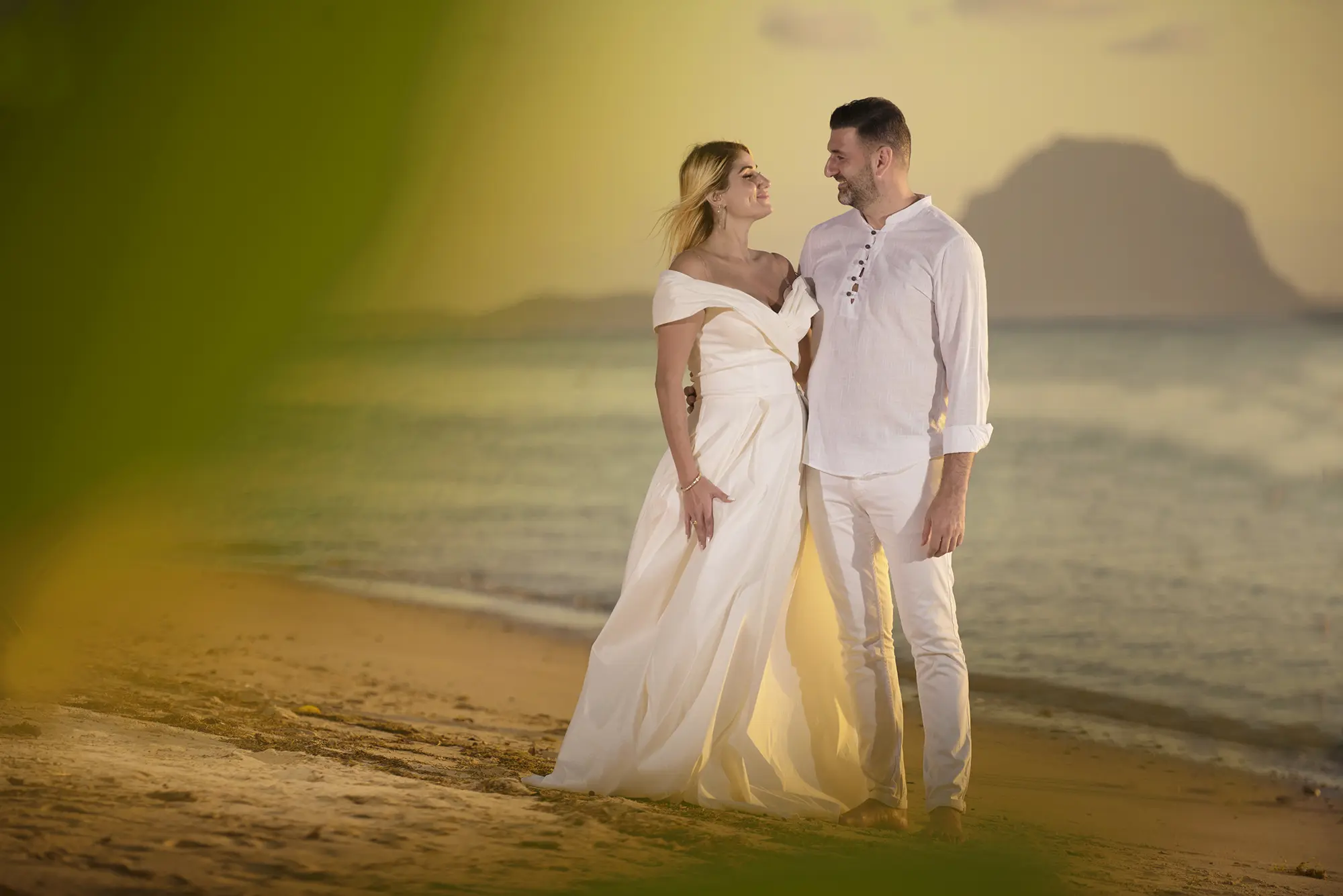
Best Time to Visit Mauritius — Key Facts
- Mauritius has 2 seasons: dry and cool (May–November) and warm and wet (December–April).
- Cyclone risk runs December–March; direct hits are rare, but travel insurance is strongly advised.
- Best overall: June–August — dry air, vivid light, low humidity, comfortable 22–26°C.
- Best for budget: January–March — hotel rates 20–30% cheaper than peak season.
- Best for photography: June–August — clear atmosphere, low sun angle, extended golden hour.
- Best for marine life: October–March — turtles, whale sharks, calmer east coast lagoons.
Mauritius Climate Overview
Mauritius sits at roughly 20 degrees south of the equator in the Indian Ocean, placing it in the southern hemisphere's subtropical zone. The result is a climate that has two distinct personalities — not the binary "rainy" and "dry" that travel guides oversimplify, but two genuinely different ways of experiencing the same island.
The dry and cool season runs from May to November. The south-east trade winds arrive in May, pushing away the humidity that has built up over summer and bringing fresh, clear air from the open ocean. Temperatures drop from the humid highs of 30–33°C to a comfortable 22–26°C. Rain is infrequent and when it does fall it is brief. The sea is slightly cooler (24–25°C) but perfectly swimmable. This is when the island is at its most photogenic: the air is crisp, colours are saturated, and the horizon is sharp enough to make every landscape look composited.
The warm and wet season runs from December to April. The trade winds ease and the island heats up. This is not the monsoon of South or South-East Asia — Mauritius does not experience days-long deluges. Showers are typically short, intense and followed by sunshine. What the wet season does bring is humidity, which softens the light (and the air), and occasional cyclone systems that can disrupt travel for a day or two. The island is greener, the waterfalls more dramatic, and the lagoons warmer. Budget travellers love this season.
One critical regional variation: the east coast of Mauritius (Belle Mare, Trou d'Eau Douce, Pointe d'Esny) is exposed to the south-east trade winds and receives significantly more rainfall year-round than the west and south. The west coast (Flic en Flac, Tamarin, Black River) sits in the rain shadow of the central plateau and is drier and sunnier across all seasons. The south (Le Morne, Bel Ombre) sits between these extremes but benefits from some of the island's most dramatic landscapes and the most reliable sunset positions.
Month-by-Month Guide to Mauritius
January
January is the height of summer in Mauritius — temperatures hover between 28°C and 32°C, humidity is high, and afternoon showers are a daily expectation. The island is still busy with post-Christmas and New Year crowds that thin out from mid-January, and hotel rates begin their gradual drop from the December peak. The sea is warm (27–28°C) and excellent for snorkelling and diving. Photography light is challenging: the atmosphere is hazy from humidity, midday is harsh, and golden hour is shorter. That said, January skies produce the kind of deep orange sunsets and towering cumulonimbus backdrops that are impossible to replicate in the dry season. Cyclone risk is present — travel insurance is essential. Thaipusam, the Tamil fire-walking festival, typically falls in January or February and is one of the most extraordinary cultural events to witness on the island. Pros: warm sea, post-New Year price drops, Tamil festivals, dramatic skies. Cons: humidity, cyclone risk, hazy light.
February
February is statistically the warmest and wettest month of the year, with the highest cyclone risk of any calendar month. Temperatures reach 30–33°C and the humidity can make the afternoons uncomfortable. But it is also one of the cheapest months to visit: hotel rates drop 20–30% below peak season, flights are often discounted, and the island is considerably quieter. The Chinese Spring Festival (Chinese New Year) typically falls in late January or February and brings colour and celebration to Port Louis and the north of the island. Marine life is at its best — whale sharks, turtles and large schools of tropical fish are regularly sighted. Photography with controlled expectations can still be rewarding: shoot early morning before the haze builds, or embrace the dramatic storm light. Pros: lowest prices of the year, Chinese New Year celebrations, excellent marine life. Cons: highest heat and humidity, peak cyclone risk.
March
March begins the slow retreat of summer. The cyclone risk is still present for the first half of the month, and humidity remains high, but temperatures start to ease slightly and the frequency of heavy rain decreases. Independence Day on March 12th is a national holiday with celebrations across the island — flag ceremonies, cultural performances and family gatherings. Hotel rates remain low. For couples visiting on a budget with flexibility, late March can be a genuine sweet spot: the tail end of cheap season, occasionally with glimpses of the cleaner light that arrives with April. Pros: still low prices, Independence Day events, rain beginning to ease. Cons: humid, occasional cyclone risk first two weeks.
April
April is a transitional month that the tourism industry does not talk about enough. The trade winds begin to reassert themselves, humidity drops noticeably, and there are regular days in April that feel very close to the perfection of June — clear air, vivid colours, comfortable temperatures in the mid-20s. The school holiday crowds from the Christmas–January peak are long gone, prices are still below peak season levels, and the weather is increasingly cooperative. Photography quality improves week by week through April. The sea remains warm. Easter, when it falls in April, brings a brief spike in visitors. Pros: improving weather, lower prices than peak, warm sea still, quiet. Cons: unpredictable — some weeks still humid, prices not at their absolute lowest.
May
May is when the dry season properly begins. The trade winds are established, the air is clear, and the humidity that has defined the past five months finally lifts. Temperatures settle into the 23–27°C range that makes Mauritius feel effortless: warm enough to swim and sunbathe, cool enough for comfortable walking and outdoor dining. The island is not yet fully booked — prices are moderate, and the beaches are peaceful. Photography light begins to sharpen noticeably, and the extended golden hour that peaks in June–August is becoming apparent. Marine life is still active before the sea begins to cool slightly. May is one of the island's best-kept secrets. Pros: dry season starting, comfortable temperatures, pre-peak pricing, good light. Cons: the southern seas can be slightly rough in the second half of May as trade winds strengthen.
June
June marks the beginning of what I consider the finest three-month window on the island. The trade winds are fully established, temperatures average 22–25°C, humidity is at its annual low, and the light is extraordinary. The sun sits lower in the sky in the southern hemisphere's winter, which means the golden hour — that hour before sunset when everything turns amber — lasts from roughly 4:30 pm until after 6 pm. For photography, this is the optimal window. Couples, honeymooners and wedding parties fill the better hotels. Book 3–6 months ahead for the best rates. The east coast lagoon is calmer in the morning than the afternoon when trade winds pick up. Pros: best light, low humidity, dry, comfortable temperatures. Cons: prices rising, properties booking quickly, trade winds can be gusty.
July
July is peak season and peak performance. The island is at its most vivid — the greens of the sugar cane are intense, the lagoon is crystalline, and every sunset looks like it has been colour-graded. School summer holidays bring European and Réunionnais families, and the most popular hotels and guesthouses fill up entirely. Prices are at their annual high. Golden-hour photography slots — particularly at Le Morne, Flic en Flac and Belle Mare — are booked weeks in advance. If you are planning a photoshoot in July, contact me at least 2–3 months before your arrival. Temperatures are the coolest of the year at 21–24°C, which sounds cold on paper but feels perfect on a tropical beach. Pros: best overall conditions, peak photography light, coolest and driest. Cons: most expensive, busiest, accommodation books out early.
August
August continues July's excellence. The trade winds are sometimes stronger in August, which occasionally creates choppy conditions on the north coast and white caps on the lagoon — not ideal for drone photography over open water but spectacular for landscape shots. The west coast (Flic en Flac, Tamarin) is sheltered and calmer in the afternoon. Temperatures begin to inch up slightly from July's lows, reaching 23–26°C. Crowds remain high, particularly for the first two weeks. The second half of August begins the gradual transition toward September, when the island starts to quiet down noticeably. Sunrise sessions on the east coast are particularly spectacular in August — the calm morning before the afternoon trade winds arrive. Pros: excellent light still, slightly less busy than July, sunrise photography exceptional. Cons: strong trade winds some days, still peak pricing.
September
September is the beginning of the transition back toward the warm season but still firmly in the dry side of the calendar. The trade winds begin to ease, temperatures rise to 24–27°C, and the island becomes noticeably quieter as the European summer holiday crowd departs. Prices drop from peak levels. Photography light remains excellent — this is arguably the island's best-value month for quality without the July–August crowds and costs. The lagoon flattens out as the trade winds moderate, making drone work over water easier. Marine life activity begins to increase as water temperatures warm. Pros: great light, fewer crowds, prices dropping, calmer seas. Cons: trade winds easing means sunsets can occasionally be cloudless-but-flat rather than dramatically coloured.
October
October is a superb shoulder-season month that offers a compelling combination of good weather, reasonable prices and exceptional marine life. The water is warming (26–27°C), whale sharks and turtles are more regularly sighted, and the east coast lagoons — calmer now that the strong trade winds have eased — are at their most inviting for snorkelling. The air is slightly more humid than July–August but still very comfortable. Photography light is good, though the golden hour is shortening and the atmosphere has a little more moisture in it than the winter months. Diwali falls in October or November and is one of the most visually spectacular events on the island. Pros: marine life excellent, prices moderate, still dry, Diwali. Cons: light not quite as clean as July–August, humidity beginning to return.
November
November sits at the hinge point of the year. The first half still feels like the dry season's last chapter — comfortable, clear, manageable. The second half begins the transition toward summer, with rising temperatures (reaching 27–29°C by month's end), increasing humidity, and the first hints of afternoon convective showers, particularly over the central plateau. Prices are moderate. Diwali, when it falls in November, fills the island with clay lamps, fireworks and the smell of sweets. The sea is warm and marine life continues to be active. For couples planning a photoshoot in November, I recommend booking the first two weeks rather than the last two. Pros: Diwali, moderate prices, warm sea, still largely dry first half. Cons: second half increasingly humid and showery, trade winds gone.
December
December brings Christmas, New Year and the full return of the warm and humid season. Hotel prices spike sharply for the festive period — December 20th to January 5th sees some of the highest rates of the year. The island is busy with tourists from France, Réunion, South Africa and the UAE. Temperatures reach 28–32°C and humidity climbs. The sea is warm and excellent for diving. Sunsets in December can be extraordinary — the moisture in the atmosphere creates deep orange and pink gradients that the dry season cannot match. The cyclone season officially begins in November but risk is low in early December; by late December through January it requires monitoring. Pros: festive atmosphere, warm sea, dramatic sunset colours, Christmas and New Year events. Cons: expensive, busy, beginning of cyclone season, heat and humidity.
The Photographer's Season
I photograph Mauritius every week of the year. But if you ask me to nominate three months where everything comes together — the light, the atmosphere, the predictability of conditions — the answer is June, July and August, without hesitation.
Here is the technical reason: humidity is the enemy of photographic clarity. Water vapour in the atmosphere scatters light, reducing contrast and desaturating colours. In the dry season, with the south-east trade winds pushing clean ocean air across the island, humidity levels are the lowest of the year. The result is an atmosphere so clear that you can see the individual rocks on the reef from a drone at 60 metres. Colours in the lagoon — the turquoise, the teal, the deep indigo of the open sea — are fully saturated and separated in a way that simply does not happen in the wet season haze.
The second factor is the sun angle. Mauritius sits at 20 degrees south. In the southern hemisphere's winter (June–August), the sun is at its lowest annual angle — meaning golden hour begins earlier in the afternoon and lasts longer. At the peak of dry season, you have roughly 90 minutes of usable golden light from around 4:30 pm. In December, that window compresses to 45 minutes and the sun drops more steeply, reducing the drama of long horizontal shadows and the warm directionality of late-afternoon light.
That said, the wet season has its own photographic gifts. Towering cumulonimbus clouds building over the central plateau in the late afternoon create backdrops that no Hollywood production designer could replicate. The greens are saturated beyond anything the dry season produces — sugar cane fields after a morning rain, the cascade of Rochester Falls at full flow, the jungle density of Black River Gorges. Couples who visit in January or February and embrace the conditions — shooting in the morning, accepting that the light is softer and the skies more dramatic — can get extraordinary images. It requires a different approach, not an inferior one.
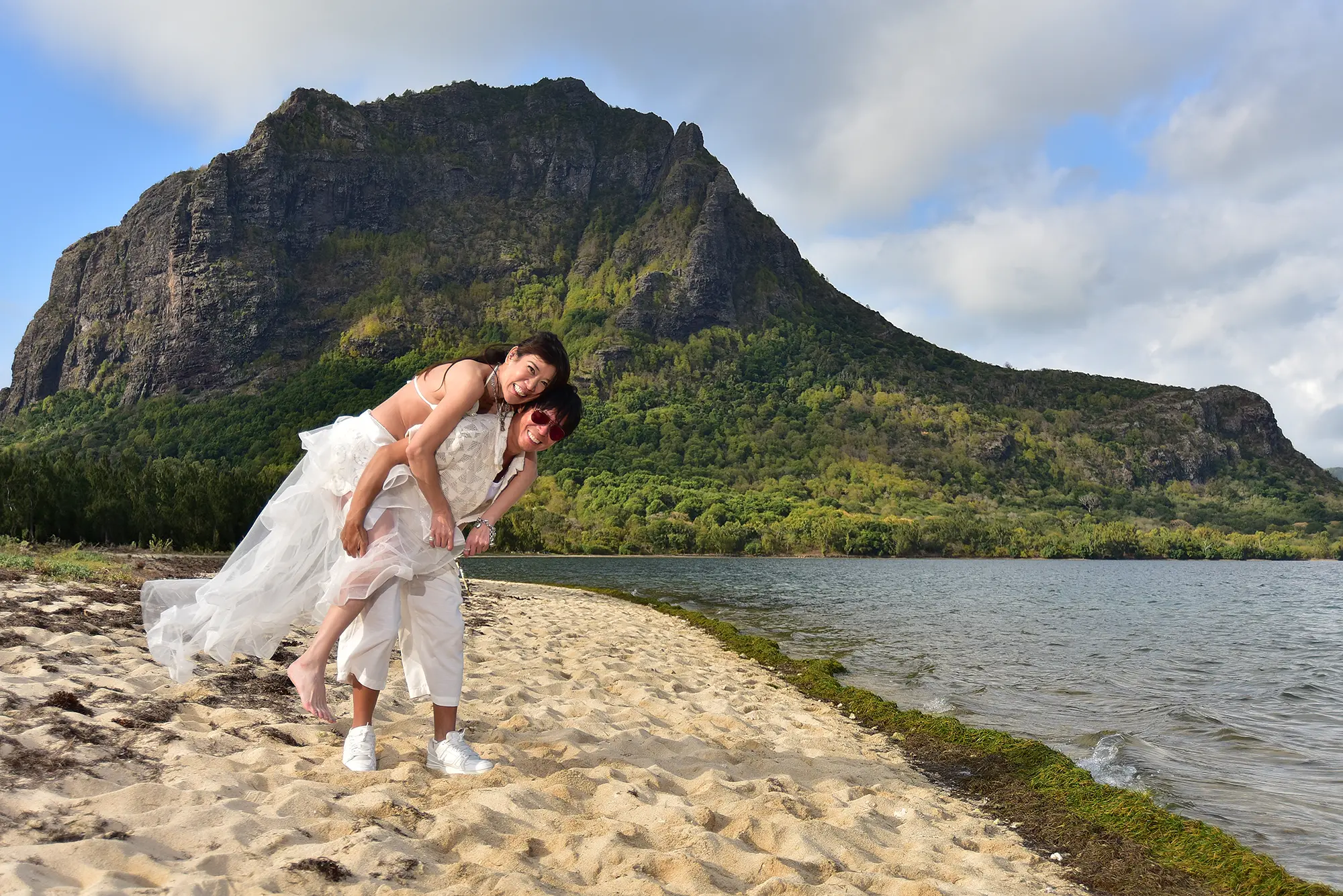
Season vs Budget Table
Use this table as a starting point. Prices are relative indexes, not exact figures — hotel rates vary significantly by property and booking time.
| Months | Hotel Cost Index | Crowd Level | Weather | Photography Rating |
|---|---|---|---|---|
| Jan – Mar | Low (20–30% below peak) | Low–Moderate | Hot, humid, cyclone risk | ★★★☆☆ |
| Apr – May | Moderate | Low | Transitional, improving | ★★★★☆ |
| Jun – Aug | High (peak) | High | Dry, cool, clear — best | ★★★★★ |
| Sep – Oct | Moderate–High | Moderate | Dry season end, warming | ★★★★☆ |
| Nov | Moderate | Moderate | First half dry, second humid | ★★★☆☆ |
| Dec | Very High (Christmas peak) | Very High | Warm, humid, festive | ★★★☆☆ |
Mauritius Events Calendar
Mauritius is a multi-faith, multicultural island where Hindu, Muslim, Christian and Chinese traditions coexist and interweave in the calendar year. Planning your visit around one of these events transforms a beach holiday into something genuinely memorable.
Thaipusam Cavadee — January or February
Thaipusam Cavadee is the most visually arresting event on the Mauritius cultural calendar. Tamil Hindus undertake acts of devotion that include fasting, prayer and — most spectacularly — piercing their bodies with metal skewers and carrying ornate wooden frameworks (Cavadee) in procession to the temple. The event typically takes place at Tamil temples across the island, with the largest gatherings at Grand Bassin in the north and temples in the central plateau. For a photographer, this is genuinely extraordinary material — colour, devotion, community and ritual in a way that cannot be staged or replicated. The date follows the Tamil calendar and falls between January and February depending on the year.
Chinese Spring Festival — January or February
The Chinese Spring Festival (Lunar New Year) is celebrated with considerable exuberance in Port Louis, where the Sino-Mauritian community has been established for over two centuries. The Chinatown district in the capital fills with lanterns, dragon dances, firecrackers and the kind of food that makes every other meal for the rest of your trip feel inadequate. The date follows the lunar calendar and falls between late January and mid-February. Many Chinese-owned restaurants and businesses close for the holiday period; the celebrations themselves are entirely open to visitors.
Independence Day — March 12th
Mauritius gained independence from Britain on March 12th, 1968, and the anniversary is a national public holiday. The formal celebration — a ceremony at the Champ de Mars in Port Louis featuring the President, Prime Minister, military parade and traditional performances — is the centrepiece. Local television broadcasts the ceremony live. Across the island, the Mauritian flag is displayed on public buildings and at the entrance to private homes. For visitors, it is a window into national pride and Mauritian identity that everyday tourism rarely surfaces.
Diwali — October or November
Diwali — the Festival of Light — transforms Mauritius in October or November, when Hindu families place small clay oil lamps (diyas) along the edges of roads, garden walls, balconies and doorsteps. After dark, when the lamps are lit, the island glows in a way that is genuinely unlike anywhere else in the world. Port Louis and the towns of the central plateau are the most spectacular — entire streets lined with thousands of diyas. Fireworks, sweets and family gatherings complete the celebration. The date follows the Hindu lunar calendar; it typically falls in late October or early November. Photographically, Diwali evening is one of the most compelling nights of the Mauritius calendar year.
Christmas and New Year — December
Mauritius celebrates Christmas with genuine enthusiasm — a reflection of its French colonial heritage and its significant Christian community. The island fills with European visitors, particularly from France and Réunion. Midnight Mass at the Catholic churches in the older towns is atmospheric. New Year's Eve sees beachfront resorts host large outdoor parties with fireworks over the lagoon. The week between Christmas and New Year is the busiest and most expensive of the entire year; book 6–12 months ahead if this is your target window.
Best Time to Visit Mauritius — FAQ
Capture Your Mauritius Memories
Most couples book their Mauritius photoshoot the week before they fly. Don't leave it that long — golden-hour slots go first.