The Perfect 7-Day Mauritius Itinerary — Day by Day
Last updated: June 2026 · By Bilaal Sadeer
I have photographed every corner of Mauritius for over 15 years — the north's calm lagoons, the east's mirror-flat sunrise beaches, the dramatic south-west cliffs of Le Morne, and the wild west-coast sunsets at Flic en Flac. This 7-day itinerary is the one I send to every couple and traveller who asks where to go and when. It covers all four coasts, avoids the tourist traps, and is timed so that you are always in the right place at golden hour.
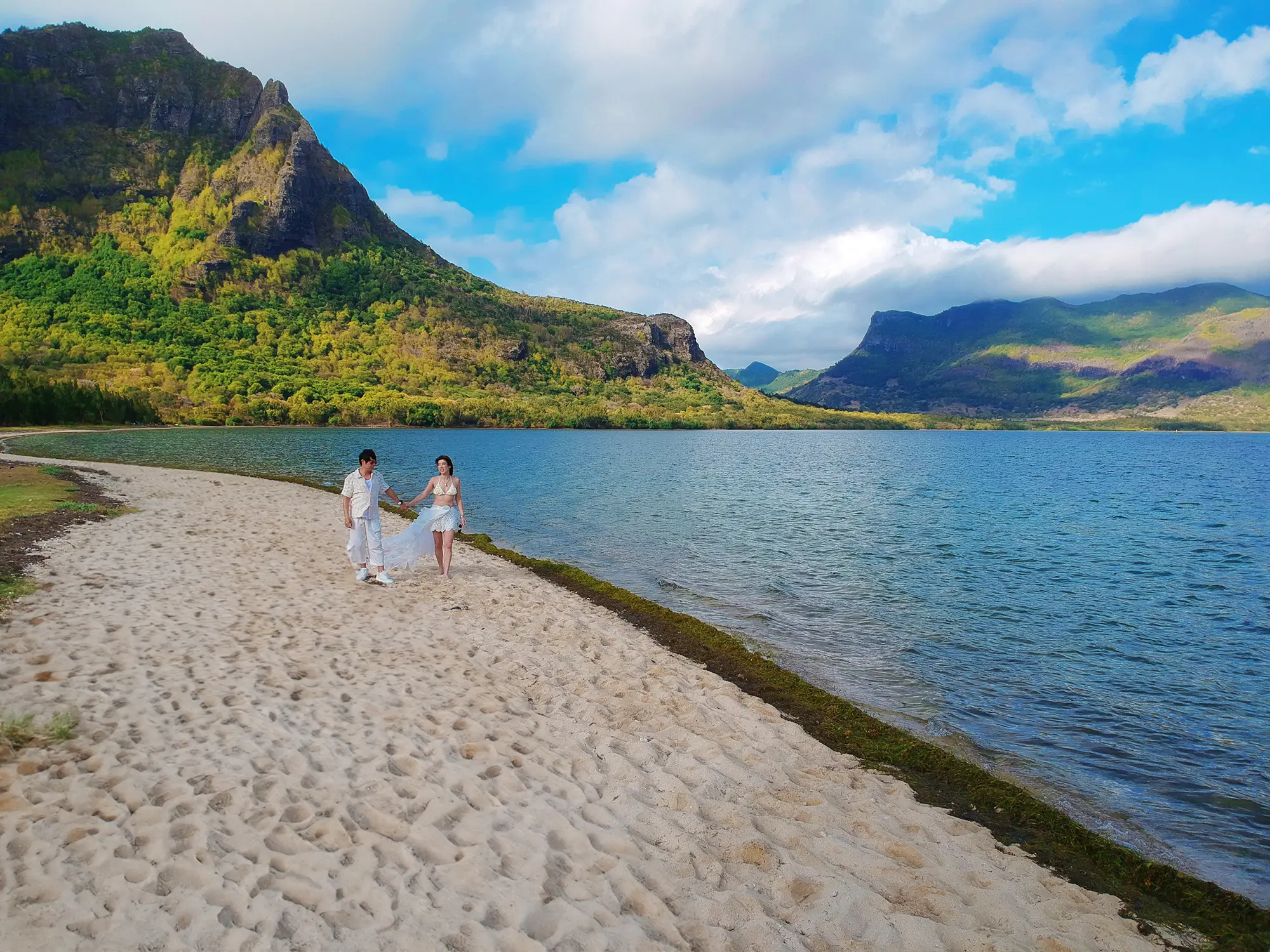
7-Day Mauritius Itinerary — Key Facts
- All 4 coasts covered — north, east, south-east and south-west/west in one week.
- Best base: split north (days 1–2) + east/south-west hotel (days 3–7) to minimise driving.
- Cross-island drive: south-west to east coast takes 1.5–2 hours on good roads.
- Car hire recommended: approximately €25–40/day for a small automatic. Book in advance.
- Golden hour: 17:15–18:15 year-round — plan your best locations for this window every day.
- Book your photoshoot before flying — golden-hour slots fill weeks in advance, not days.
Day 1 — Arrive, North Coast, Grand Baie
Morning: Most long-haul flights into Sir Seewoosagur Ramgoolam International Airport (SSR) arrive in the early hours or morning. Allow an hour for immigration and baggage — the airport is efficient. Your hotel or villa will often arrange an airport transfer; confirm this when you book. If you are self-driving, car hire desks are inside the arrivals hall. The drive from SSR to Grand Baie in the north takes 40–50 minutes via the motorway. Check in, unpack, eat something light.
Afternoon: Do not overdo it on day one — the island will disorient you with its beauty and you will want to go everywhere at once. Instead, walk the Grand Baie waterfront. It is a strip of restaurants, boutiques and dive shops along a sheltered bay, perfect for getting your bearings. The supermarket Royal Road is a good place to pick up water, snacks and sunscreen at a fraction of resort prices.
Evening — Trou aux Biches sunset: Drive 10 minutes south to Trou aux Biches. The beach here faces west-northwest and catches the last hour of sun beautifully. Park along the coast road (free, easy) and walk the beach from south to north. The sand is powder-fine, the lagoon is knee-deep for 200 metres, and the light at 17:30–18:00 in June–October turns the water gold. This is your first golden-hour slot — even if you have no formal photoshoot booked, bring your phone and pay attention to where you stand relative to the sun. The low-lying coastline means the horizon is unobstructed all the way to the sea.
Dinner: Return to Grand Baie for dinner. Le Bougainville on Royal Road is a reliable local restaurant with seafood platters and Mauritian curries; La Palmeraie is better for a romantic first-night dinner. Budget €20–35 per person with wine.
Practical notes: Grand Baie parking is free everywhere along the coast road. The town has a pharmacy, ATMs and a fuel station. Driving in Mauritius is on the left; roads are well maintained but can be narrow in town centres. Roundabouts follow standard left-priority rules.
Day 2 — Cap Malheureux and North Exploration
Sunrise at Cap Malheureux: Set your alarm for 05:30. The drive from Grand Baie to Cap Malheureux is 15 minutes. Arrive before 06:00 and walk down to the point just east of the famous red-roofed Notre Dame Auxiliatrice church. The church faces north-east, and at sunrise the sky behind Coin de Mire island turns from deep blue to orange to pink while the church's red roof glows in the first light. It is one of the most photographed compositions in Mauritius — but photographed well, with the right timing and no tour buses, it is genuinely extraordinary. You will almost certainly have it to yourself before 06:30.
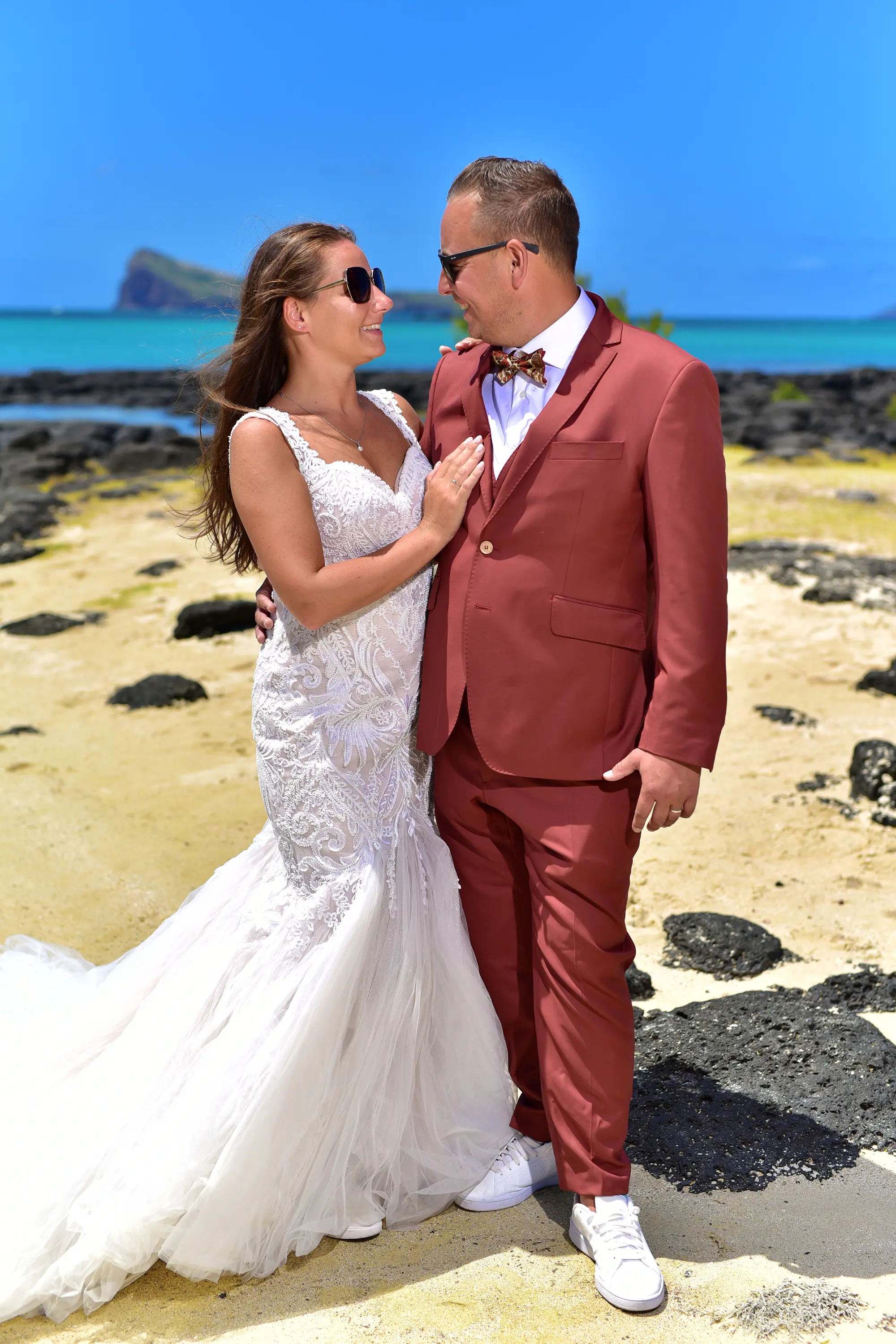
Morning — Pereybere beach: After sunrise, drive 5 minutes south to Pereybere. This is the best swimming beach on the north coast — the lagoon is calm, the water is clear, and the coral formations close to shore make for excellent snorkelling with a cheap mask from any beachside vendor. Arrive by 08:00 and you will have it largely to yourself for an hour. A full beach day here is perfectly pleasant, but today you are exploring, so limit yourself to a swim and a fresh coconut from one of the vendors by 10:00.
Mid-morning — Grand Baie market and town: Grand Baie's central market is open every morning until around 13:00. Fresh fruit, local preserves, handmade jewellery and vanilla pods make excellent lightweight souvenirs. The Thursday and Saturday morning markets are the busiest and most photogenic. Pick up passion fruit, star fruit and some local rum to take back to your accommodation.
Afternoon: Rest at your hotel or take a short drive to Péreybere's public beach area for an afternoon swim. The north coast lagoon is at its calmest in the afternoon when the trade winds drop slightly. Apply sunscreen generously — the reflection off the white sand intensifies UV significantly.
Evening — Catamaran sunset cruise: Book a sunset catamaran cruise departing Grand Baie at around 16:30. Most operators offer 2-hour cruises returning at dusk; prices run €35–55 per person including drinks. The view of the north coast from the water — the coastline, the mountains in the distance, and the sky changing colour as the sun sets — is spectacular. This is also an excellent photography opportunity: bring your camera, not just your phone, and shoot towards the coast rather than into the sun for the best results.
Dinner: The marina restaurants in Grand Baie are good after the cruise — Drift is popular for fresh fish; Casa Pasta serves decent Italian if you want a break from seafood.
Practical notes: Cap Malheureux parking is free by the church. Catamaran cruises book up in high season — reserve by phone or WhatsApp the day before. Pereybere beach has paid parking (approx. Rs 50) at the main lot or free on-street parking 200m away.
Day 3 — East Coast: Belle Mare
Early start — Belle Mare sunrise: Today requires an early start. Set your alarm for 05:15. The drive from Grand Baie to Belle Mare is 1 hour 10 minutes via the motorway (A1 south, then east on the A9). Leave by 05:30 and you arrive with 15–20 minutes to find your spot before the sun clears the horizon. Belle Mare beach faces east, which makes it unique in Mauritius — it is one of the few beaches on the island with a true sunrise over the water rather than the mountains. The lagoon is glassy calm in the morning, the sand is the whitest on the island, and the low-angled light rakes across the beach in long warm shadows. Come here first before anywhere else on the east coast.
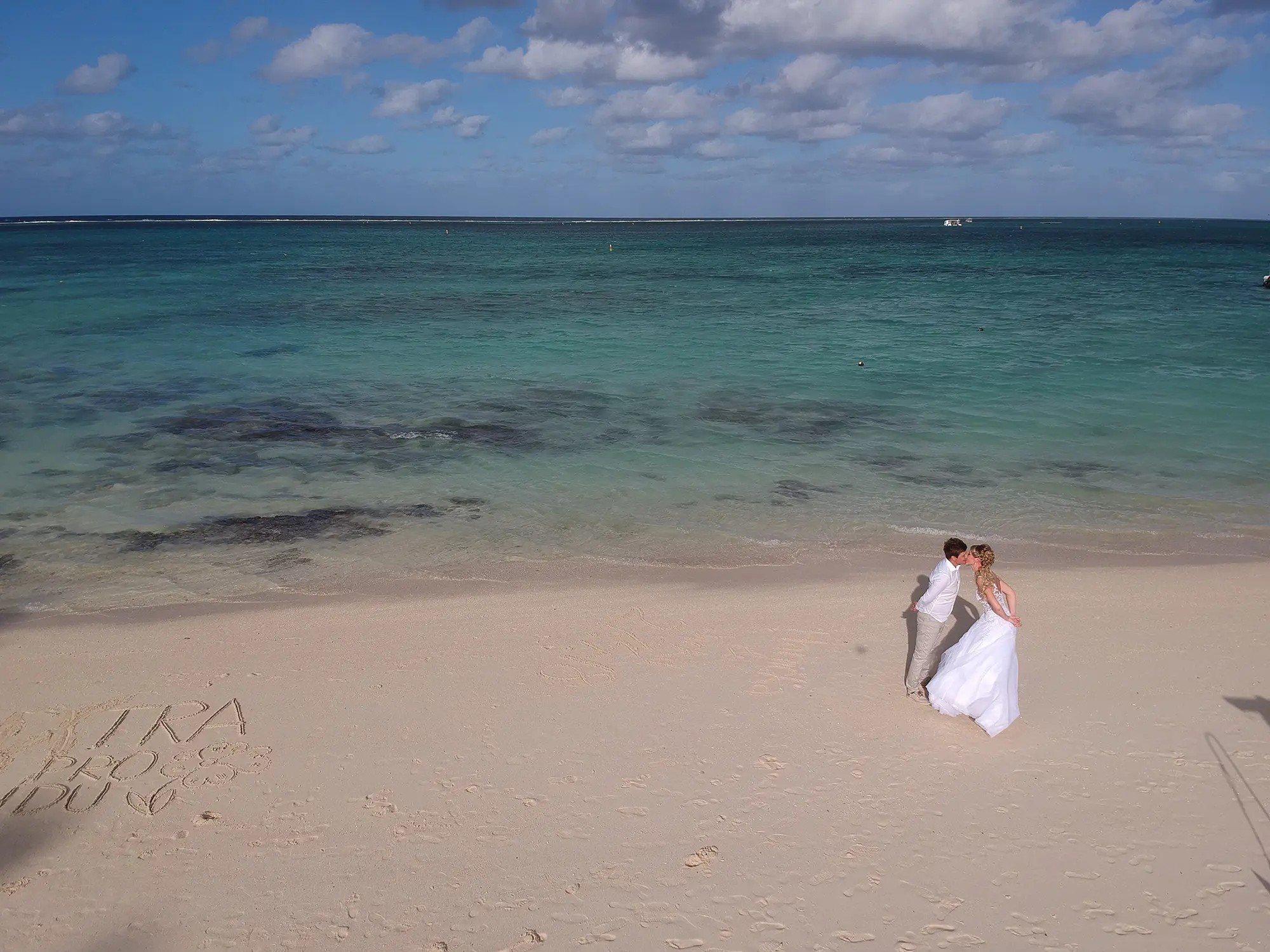
Morning — Belle Mare beach: After sunrise, have breakfast at your hotel or at one of the small restaurants that open from 08:00 along the Belle Mare road. The beach is 9 kilometres long and almost entirely public — walk south from the main public access point for increasing solitude. The water is knee-deep for 300–400 metres in the lagoon, safe for swimming at all tides, and the reef provides good snorkelling in the northern section.
Midday — Trou d'Eau Douce: Drive 20 minutes south to the village of Trou d'Eau Douce. This small fishing village on the east coast is the departure point for boats to Île aux Cerfs. The waterfront has a row of local restaurants serving freshly grilled fish and octopus — have lunch here. The octopus curry is a Mauritian east-coast speciality you will not find as good anywhere else.
Afternoon — Île aux Cerfs: Catch a boat from Trou d'Eau Douce to Île aux Cerfs (approximately 10 minutes, Rs 200 return, boats depart constantly from 09:00–16:00). The island is a private resort island but the beaches are accessible; the western beach facing the lagoon offers incredible turquoise water. Water sports, parasailing, glass-bottom boat rides and beach restaurants are available. Return to the mainland by 15:30 to position for golden hour.
Evening — Belle Mare golden hour: Return to Belle Mare beach for golden hour (17:15–18:15). The evening light on the east coast is softer than the morning — the sun is setting behind the mountains to the west, creating a diffused warm glow rather than direct backlight. The lagoon picks up colour beautifully. If you have a couple photoshoot booked with me, this is an ideal session time and location.
Practical notes: Today is the longest day in terms of driving. If you plan to stay on the east coast for days 4–7, book a hotel in Belle Mare or Mahebourg tonight rather than driving back north. Constance Belle Mare Plage and Shangri-La Le Touessrok are the premium options; smaller guesthouses and Airbnb villas offer good value from €80/night.
Day 4 — South-East: Blue Bay Marine Park
Morning — Blue Bay snorkelling: Drive 40 minutes south from Belle Mare to Blue Bay. This UNESCO-listed marine park on the south-east coast has the best snorkelling on the mainland — the coral gardens in the lagoon are extensive, largely intact, and populated with turtles, rays, parrotfish and reef sharks. The Blue Bay beach itself is a sheltered, shallow arc of white sand with calm water all year round. Arrive by 09:00 before the day-trip boats arrive and you will have the inner reef largely to yourself. Rent snorkel equipment from the beach vendors (approx. €5 for a mask and fins) or bring your own.
For a more in-depth reef experience, hire a glass-bottom boat or paddleboard from the operators at the northern end of the beach. The reef extends from 50 metres offshore — even non-swimmers can see the coral from a glass-bottom boat without getting wet. The best coral formations are in the centre of the bay at 2–3 metres depth.
Midday — Mahebourg waterfront market: Drive 15 minutes north to Mahebourg. The Wednesday and Saturday morning markets are the most vibrant, but the town's waterfront is pleasant any day for a walk and lunch. The Mahebourg waterfront market sells fresh vegetables, spices, dried fish, pickled mango and handmade baskets. The town museum covers the 1810 Battle of Grand Port — the only naval battle of the Napoleonic Wars where France defeated Britain, and the only such victory commemorated on the Arc de Triomphe in Paris. Worth 30 minutes of your time.
Afternoon — Pointe d'Esny: Drive 10 minutes south from Mahebourg to Pointe d'Esny. This is a quieter, more exclusive alternative to Blue Bay — a long, relatively unspoiled beach with clear water and few vendors. The beach faces south-east and is backed by casuarina trees rather than development. Ideal for an afternoon swim and a rest before sunset.
Evening — Pointe d'Esny sunset: Pointe d'Esny's southern tip has unobstructed views west-southwest and picks up the last of the evening light beautifully. Stay on the beach until 18:15. The sky at the south-east tip of Mauritius on a clear evening can be extraordinary — watch for the green flash on the horizon at the moment the sun dips below the sea level.
Dinner: Return to Mahebourg for dinner. Le Jardin de Beau Vallon on the waterfront road serves traditional Mauritian cuisine including dholl puri, briyani and fresh grilled lagoon fish. Budget €15–25 per person.
Practical notes: Blue Bay has paid parking at the main beach access (approx. Rs 100 per day) or free street parking 500m back. The marine park area has designated snorkelling and no-anchor zones — stay within the marked buoys. Mahebourg is a small town with good supermarkets and a fuel station.
Day 5 — South-West: Le Morne and Chamarel
Day 5 is the single best day on this itinerary. The south-west corner of Mauritius — Le Morne, Chamarel, and the Black River Gorges — contains some of the most dramatic scenery in the entire Indian Ocean, and it is all concentrated within a 40-kilometre radius. Start early.
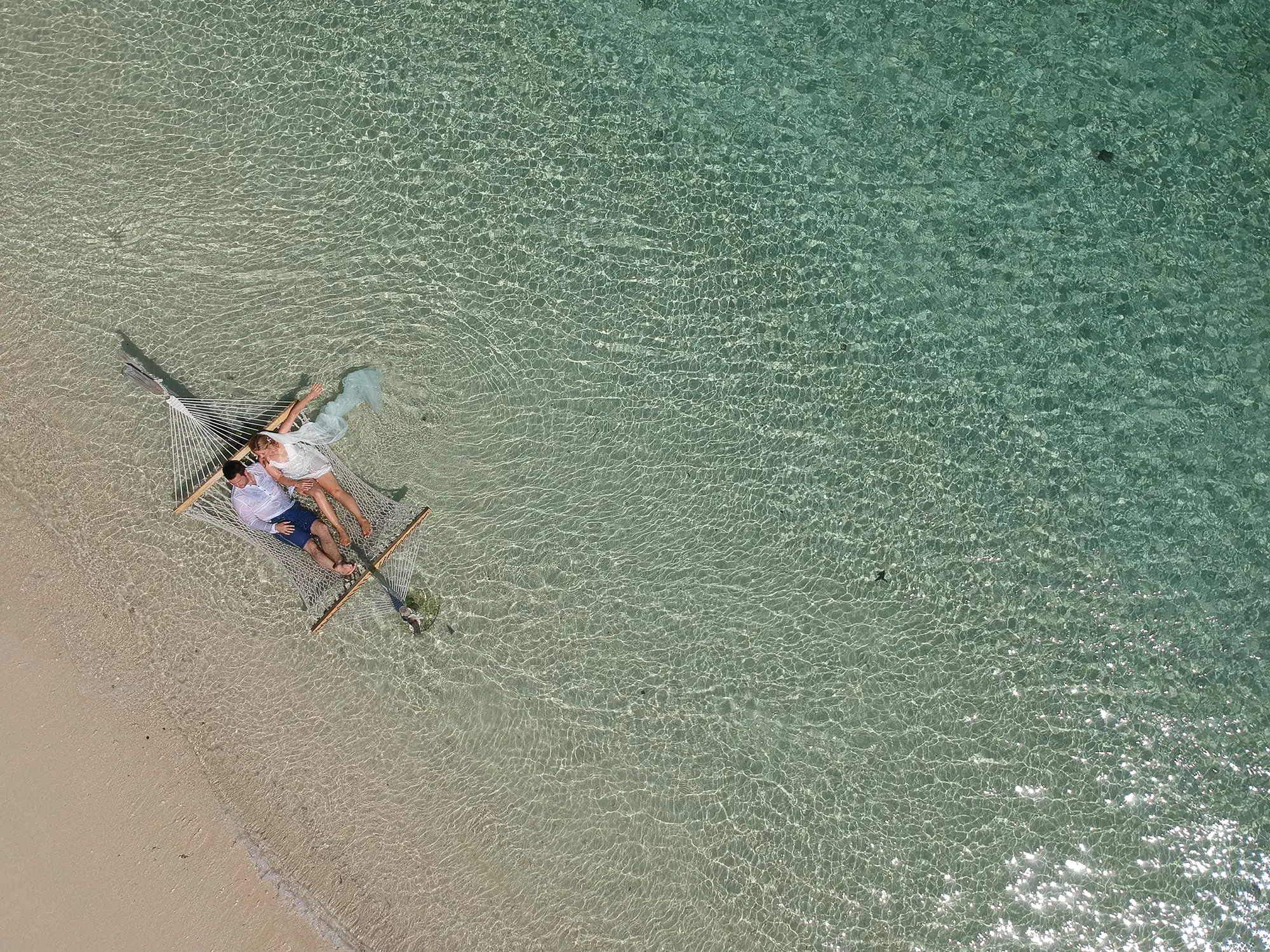
Morning — Le Morne: Le Morne Brabant is a 556-metre basalt monolith on a peninsula at the south-western tip of Mauritius. It is a UNESCO World Heritage Site, listed for its historical significance as a refuge for escaped slaves in the 18th and early 19th centuries. The peninsula juts into the Indian Ocean and is surrounded by some of the best kite-surfing water in the world on the southern side, and a calm, shallow turquoise lagoon on the northern side. Arrive by 08:00 and walk the beach on the lagoon side towards the base of the cliff. The morning light is side-lit at this hour — it travels from the north-east and catches the cliff face in a warm glow while the lagoon below is still in shade. This is the most powerful landscape photography opportunity on the island.
The Le Morne hiking trail to the summit (approximately 2 hours return, steep in places) offers panoramic views of the peninsula and both coasts. You need a guide — independent access above the forest line requires permission. Several operators based at Le Morne village offer guided hikes from €25 per person. Book the morning slot if you want clear skies before cloud builds on the peak.
Midday — Seven Coloured Earth, Chamarel: Drive 25 minutes north-east to Chamarel. The Seven Coloured Earth — a series of volcanic sand dunes in seven distinct colours (red, brown, violet, green, blue, purple and yellow) — is genuinely otherworldly. The colours come from different rates of cooling in the volcanic basalt. Admission is Rs 350 (approximately €7). Arrive before 12:00 to avoid the midday tour bus rush. The observation platform offers the best view — the sand patterns are most vivid in overcast or hazy light rather than direct noon sun.
Chamarel village itself is worth 20 minutes — the rum distillery (Rhumerie de Chamarel) offers tastings and is set in a coffee plantation with views over the coastal plain. The coffee grown here is among the few commercial coffee plantations in the Indian Ocean.
Afternoon — Chamarel Waterfall: 2 kilometres from the Seven Coloured Earth is the Chamarel Waterfall — at 100 metres, the highest waterfall in Mauritius. Combined entry with the coloured earth is available. The falls are best after recent rain when the flow is at full volume; in the dry season (July–October) the cascade is slimmer but still impressive. The viewing platform is 200 metres from the car park on a paved path.
Evening — Le Morne lagoon sunset: Return to Le Morne for golden hour (17:15–18:15). The lagoon on the northern side of the peninsula faces west and catches the full sunset — the water turns from turquoise to deep gold to pink, the cliff behind you goes from amber to purple, and the sky above is often spectacular. If there is any day on this itinerary where you should have a professional photoshoot, it is this one, at this location, at this time. I have photographed hundreds of sessions at Le Morne and the light here is incomparable.
Dinner: The restaurants at the base of Le Morne or at the nearby Paradis Beachcomber resort (non-guests may dine at the beach restaurant) are excellent. Alternatively, drive 20 minutes north to Black River marina for a wider range of options.
Practical notes: Le Morne has free parking at the beach access points along the peninsula road. Chamarel is a 25-minute drive from Le Morne. The road from Le Morne to Chamarel climbs steeply — a car with a decent engine is preferable; avoid a very small-engined hire car if you can.
Day 6 — West Coast: Flic en Flac and Tamarin
Morning — Tamarin dolphins: Tamarin Bay on the west coast is one of the few places in the world where a resident pod of spinner dolphins lives year-round in the bay. Dolphin watching and swimming trips depart from Tamarin village from 06:30 every morning. The experience — swimming in open water alongside a pod of 20–40 wild dolphins — is one of the most extraordinary things you can do in Mauritius. Book the day before (operators are easy to find in Tamarin or online; cost approximately €40–55 per person including transfers). The trip typically returns by 09:30.
A note on dolphin welfare: choose operators who instruct passengers not to chase the dolphins and to let them approach voluntarily. The responsible operators are clearly identifiable by their briefing before entry. Avoid any company that encourages aggressive pursuit.
Mid-morning — Flic en Flac beach: Drive 15 minutes north from Tamarin to Flic en Flac. This is the longest west-coast beach in Mauritius — a 7-kilometre arc of golden sand backed by cassia and casuarina trees, with a laid-back village running along the coast road. The beach faces west, making it the best sunset beach on the mainland. The water is warm, clear and generally calm except when the trade winds kick up a swell in July–August. Spend the late morning swimming and relaxing. The beach is wide enough that even in high season it never feels crowded.
Flic en Flac has excellent restaurants along the coast road for a late breakfast or early lunch — Le Capitaine is popular for seafood; the beach shacks sell fresh coconuts and grilled corn for Rs 50–100.
Afternoon: The afternoon on the west coast is best spent relaxed. Take a paddleboard or kayak from one of the beach operators (approximately €10/hour) and explore the lagoon. The reef at Flic en Flac has good snorkelling, particularly at the southern end near the old aquarium site. The afternoon trade wind picks up from about 14:00 and makes the surf side of the reef exciting for intermediate swimmers.
Evening — West coast sunset: Stay on Flic en Flac beach for golden hour (17:15–18:15). The west-facing orientation means the sun sets directly over the sea from this beach — no mountains, no hills, just a clean horizon. The sunsets on the west coast in Mauritius are genuinely among the best in the world: the clouds that build over the Indian Ocean in the afternoon catch the low-angled light and turn red, orange and purple. Find a spot near the southern end of the beach where the sand is widest and there are fewer people. A long lens aimed down the beach towards the sun produces extraordinary results.
Dinner — Black River marina: Drive 20 minutes south to the Black River marina at Rivière Noire. This small marina village has a cluster of good restaurants. La Bonne Chute is excellent for grilled fish; the Black River Seafood restaurant on the waterfront is a reliable option for fresh catch of the day. Budget €25–40 per person with drinks. The marina is also a good place to watch the last fishing boats return at dusk.
Practical notes: Flic en Flac parking is free along the entire coast road. Tamarin dolphin trip operators are based on the waterfront road in Tamarin village — walk down to the boats or book via WhatsApp the evening before. Black River marina has a fuel station and small supermarket nearby.
Day 7 — Final Morning and Departure
Final beach photography session: Your last morning in Mauritius. If you have not yet had a professional photoshoot and you want to leave with genuinely great photographs — not phone snaps — this is the time. A 60-minute golden-hour session at any of the west-coast beaches (Flic en Flac or Le Morne) in the early morning catches beautiful side-lit conditions. Alternatively, if you are based on the east coast, Belle Mare at 06:00 on a clear morning offers some of the cleanest light of the week.
Even without a photoshoot booked, spend your final morning at the beach rather than in a hotel restaurant. The morning hours in Mauritius — before 09:00 — are always the quietest and most beautiful. The light is soft, the families are still at home, and the water reflects the sky in a way it will not do again until tomorrow morning when you will no longer be there.
Mid-morning — Port Louis central market (if time allows): If your flight departs in the late afternoon or evening, drive to Port Louis (30–45 minutes from the west coast, 1 hour from the east) and visit the central market. The covered market occupies an entire city block and sells everything from spices, saffron and vanilla pods to handmade baskets, local rum, model pirogue boats and jewellery. It is one of the great covered markets of the Indian Ocean and worth 45 minutes of your time. Park at the nearby Caudan Waterfront car park (Rs 100–200 for 2 hours) and walk.
The Caudan Waterfront itself, on the edge of Port Louis harbour, has good coffee shops and a supermarket for any last-minute supplies. The National History Museum is free and takes 30 minutes — it has the only mounted dodo skeleton in the world, which is extraordinary.
Airport transfer: SSR airport is approximately 45 minutes from Port Louis and 1 hour from the south-west coast. Allow extra time during peak periods (July–August, December–January). Return your hire car to the airport desk — most operators have a designated return bay outside arrivals. Check in opens 2–3 hours before departure for long-haul flights.
Final thought: Mauritius rewards those who wake early and stay out late. The best moments on this itinerary — Cap Malheureux at sunrise, Belle Mare at 06:00, Le Morne at golden hour — all happen at the edges of the day when the light is extraordinary and the crowds are absent. Plan your days around those windows and everything else will fall into place.
Photographer's Notes — Where to Stand and When
Fifteen years of photographing Mauritius have taught me that the difference between a good photograph and a great one is usually 10 minutes and 20 metres. Here is where to stand at each key location on this itinerary.
Cap Malheureux — best slot: sunrise (06:00–06:45)
Stand at the point east of the church, not in front of it. The classic postcard shot faces north-west with the church left of frame and Coin de Mire island on the right horizon. At sunrise the sky behind Coin de Mire goes pink first — photograph the church in silhouette against that sky before the sun clears the horizon and the scene flattens into midday harshness. Use the stone wall along the point as a foreground element. Do not stand in the car park — walk 50 metres to the water's edge.
Belle Mare — best slot: sunrise (06:00–07:00)
Walk south from the public car park by approximately 800 metres until you find a section of beach without sunbeds. Face east — the sun rises from the open ocean here, not from behind mountains, so the horizon is clean. Knee-deep in the lagoon gives you reflections on the water surface. In June–October the trade wind is from the south-east; position yourself so the wind is at your back for hair and fabric movement that looks natural rather than chaotic. The golden-hour window on the east coast at sunrise is 25–30 minutes at most — work quickly.
Le Morne — best slot: golden hour (17:15–18:15)
Walk north along the lagoon side of the peninsula from the main beach access until the cliff face fills the background behind you. Face west-south-west. At golden hour the cliff picks up warm amber light from the setting sun while the lagoon in front goes from turquoise to dark gold. Do not face into the sun — keep it at approximately 45 degrees behind and to the right, which gives side-front lighting on subjects and a rim of warm light on their left shoulder. The sandbar 150 metres offshore is accessible at low tide and gives an extraordinary isolated-in-the-ocean composition.
Flic en Flac — best slot: golden hour (17:15–18:15)
The southern end of Flic en Flac beach, near the old Blue Bay water sports area, is the widest and quietest. Face south-west at sunset. The sun sets over the sea from this beach — no land obstruction — which means you can shoot directly towards it in the last 10 minutes before it dips below the horizon for silhouette work, or at 90 degrees for side-lit portraits. The fishing boats moored at the southern end of the beach make excellent compositional elements.
Trou aux Biches — best slot: evening (17:30–18:15)
Walk north from the public beach access towards the point. The beach curves north-west and you want to be on the outside of that curve, facing north-west, so the beach arc sweeps away behind your subject towards the horizon. Low tide reveals a wider sand bar that extends the foreground. The casuarina trees at the north end of the beach provide shade for soft-lit portraits when the sun is still too high.
Sample Budget — 7 Days in Mauritius
The following table shows indicative per-person per-day costs at three levels. All figures are in euros and assume two people sharing accommodation. Flights are excluded.
| Category | Budget (€/day) | Mid-Range (€/day) | Luxury (€/day) |
|---|---|---|---|
| Accommodation (per person) | €30–50 | €80–150 | €200–500+ |
| Car hire (shared, per person) | €13–20 | €13–20 | €20–30 (larger car) |
| Meals | €15–25 | €30–50 | €60–120 |
| Activities (avg. over 7 days) | €10–20 | €25–45 | €50–100 |
| Photoshoot (one session, per person) | — | €80 (1hr, shared) | €80–160 |
| Estimated total per person/day | €68–115 | €228–265 | €330–750+ |
Notes: Budget tier assumes guesthouses or Airbnb, local restaurants, shared car hire, and free beaches. Mid-range assumes 4-star hotel, mix of restaurants and resort dining, and one or two paid activities. Luxury tier assumes 5-star all-inclusive or partial-board resort. All figures indicative for 2026.
Getting Around Mauritius on a 7-Day Itinerary
Car Hire — strongly recommended
For a 7-day itinerary that covers all four coasts, a hire car is the only practical option. Mauritius has a good motorway network connecting Port Louis to the north (A1), the east (A1/A9) and the south (M1). Journey times between regions are manageable — the island is approximately 65km north to south and 45km east to west. Car hire desks are at SSR Airport arrivals and in Grand Baie, Flic en Flac and other major resort areas. Book online in advance for the best rates. An automatic small car (e.g. Kia Picanto or Toyota Yaris) is sufficient for two people with luggage. Driving is on the left; speed limits are 60 km/h on single roads and 110 km/h on the motorway.
Driving Times — Key Routes
| From | To | Distance | Time (no traffic) |
|---|---|---|---|
| SSR Airport | Grand Baie (North) | 48 km | 45–55 min |
| Grand Baie | Belle Mare (East) | 62 km | 1h 05–1h 20 |
| Belle Mare | Blue Bay (South-East) | 38 km | 40–50 min |
| Blue Bay | Le Morne (South-West) | 55 km | 55–70 min |
| Le Morne | Flic en Flac (West) | 22 km | 25–35 min |
| Flic en Flac | SSR Airport | 40 km | 40–50 min |
| Grand Baie | Le Morne (cross-island) | 72 km | 1h 20–1h 45 |
Taxis
Taxis in Mauritius are metered or negotiated in advance. Airport to Grand Baie runs approximately €25–35; airport to Le Morne approximately €35–45. For daily touring without a hire car, expect to pay €60–100 per day for a taxi driver who will wait at each location. Some drivers double as excellent guides; ask your hotel to recommend a regular driver rather than hailing a taxi cold. For short inter-town trips, taxi prices are reasonable; for a full day of touring all four coasts, a hire car is significantly cheaper.
Buses
Mauritius has an extensive public bus network covering all major routes. Buses are cheap (Rs 15–40 per journey) and run from approximately 05:30 to 21:00. However, buses do not serve beach car parks, viewpoints or hiking trailheads — they run along main roads and require walks of 500m to 3km to reach most of the locations on this itinerary. Bus travel is fine for getting between major towns (Grand Baie to Port Louis, for example) but impractical for a multi-coast touring itinerary. Treat it as a supplement to the hire car, not a replacement.
7-Day Mauritius Itinerary — FAQ
Capture Your Mauritius Memories
Most couples book their Mauritius photoshoot the week before they fly. Don't leave it that long — golden-hour slots go first.